
- Maintaining tyre pressure on different types of terrain helps you in gaining control of your vehicle
- Different terrains like rock, mud, sand, snow have different recommended PSI levels
- Tyre pressure can be different for each SUVs
We all love the idea of big trucks and SUVs with 4X4 capability that behaves well in their zone which is the off-roading trail. We often see drivers getting stuck in the terrain with their well built SUVs. But Why? Well, there are several reasons to answer this question and today we pick one of it, which is the tyre pressure.
Most drivers know to drop the air pressure when they are driving in the sand but what about other terrains like rock, mud and more? Here, in this article, we give you a recommended tyre pressure list you need to keep in mind for different terrains.
Driving on a plain road or highways
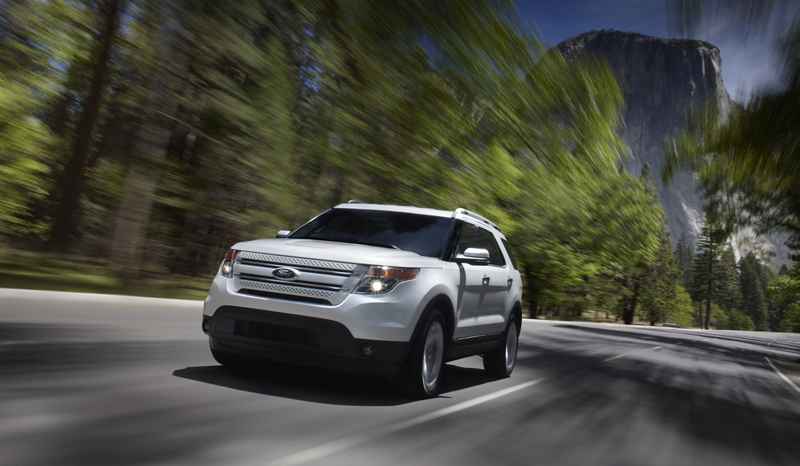
For this patch of roads where there are no potholes and road are clean to the core, the SUVs should stick to the recommended tyre pressure. It can be found in the vehicle's handbook or on the sill of the driver's door. For the unladen 4x4s, the tyre pressure should be 32 psi for all tyres and if the SUV is fully loaded then 32 psi at the front and 36 psi at the rear tyre.
Remember, a good tyre pressure will not only improve the fuel efficiency of the SUV but also improve the ride quality, handling and decrease the tyre wear. If the tyre is overinflated then it will wear out much before than its time and if it is underinflated then it will possess more tear on the tread from the outside area.
Driving on Rough Gravel Roads
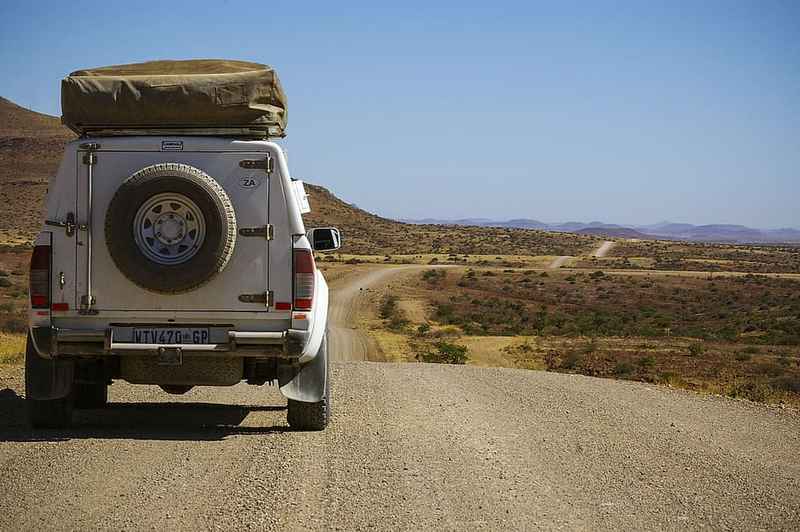
When driving on these roads, one needs to check the road conditions for which they can set the tyre pressure of their SUV. Like if the gravel road is smooth and well laid out and you are maintaining the same speed limit as on the sealed roads then you don't need to lower the tyre pressure.
However, if the road gets worse then the speed of the vehicle has to be set accordingly and it is advisable to lower the tyre pressure. And by how much it should be decreased, that depends on what speed you're driving and how much weight the vehicle is carrying.
The tyre pressure should be between 26 psi to 36 psi for driving on rough gravel. When you lower the tyre pressure, not only the ride quality improves but also the flexibility of your tyre.
See Also : Keep A Tab On The Car Tyre Pressure Regularly & Stay Safe On Roads
Driving on rocky terrain
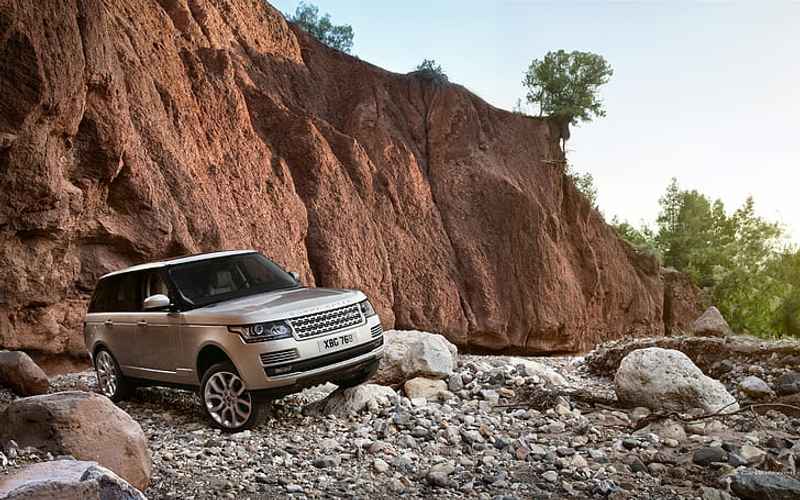
When driving on the rocky terrain, one needs to lower the tyre pressure without giving it a second thought. When you lower the pressure then there is more traction and the tyre widens and hugs the terrain.
Also, one should not drive too fast on these terrains as the high speed is directly proportional to the excessive heat produced which damages the tyre. Be cautious of the sharp objects and pointed rocks as they can damage the tyre sidewalls.
Driving in Mud
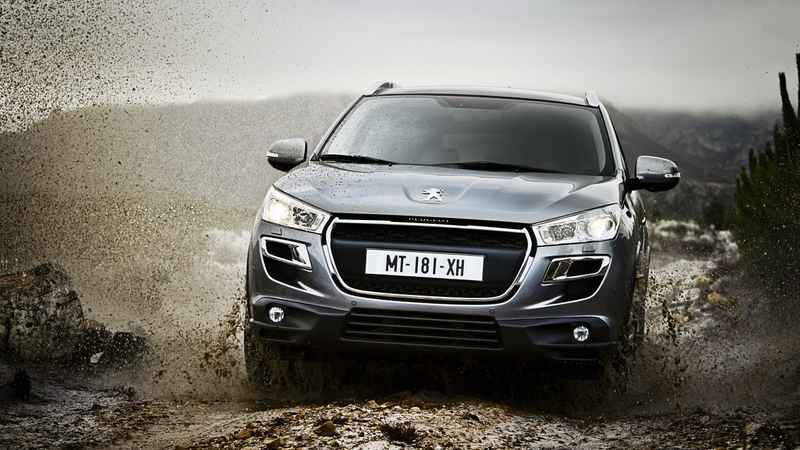
Now, driving the SUV here is a tricky part as getting to know the correct tyre pressure is important and knowing the mud surface too. If the surface of the mud is all slippery on top but got a strong base underneath then high tyre pressure will do the job.
But if the mud is deep and got no firm base then low tyre pressure will save you and your SUV. Lowering the tyre pressure will improve the traction and the recommended tyre pressure should be between 22psi and 28 psi mark.
Driving on Sand
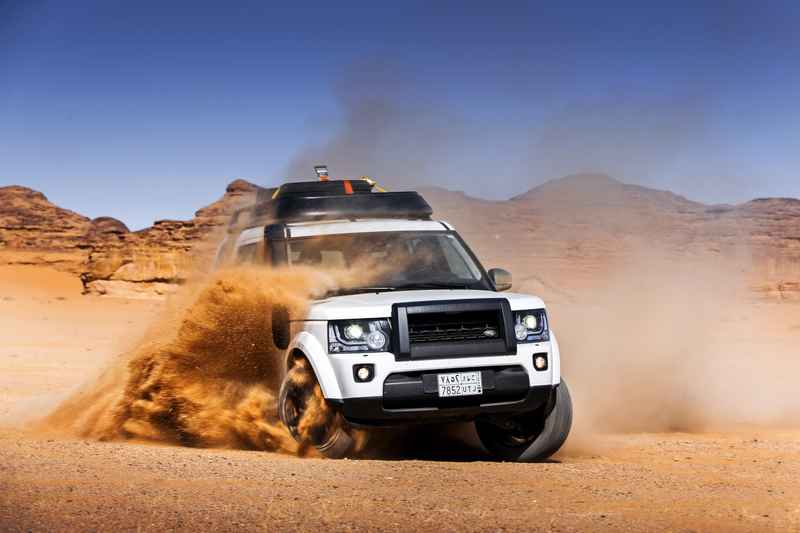
Like the mud, driving on the sand is also a task. Now, the big SUV, like the Ford Endeavour comes with various modes like normal, sand, mud/snow/grass and rock. This feature makes the driving easier on these terrains as the electronics gets the command right.
However, the tyre pressure too plays an important role when driving on the sand and if the sand is dry then you can drop the tyre pressure to as low as to 16 psi and keep it between 20 psi mark. You don't even have to worry about the rim getting peeled off as long as you are not driving fast.
Note - The tyre pressures mentioned above should be used as a general guide only. And once you are back from the off-roading trip then do reinflate your tyres and look for any damage on every tyre. If there is any then either go for the repair or replacement process.
Image Credits : road-reality, piqsels, wallpaperflare, wallpaperup,